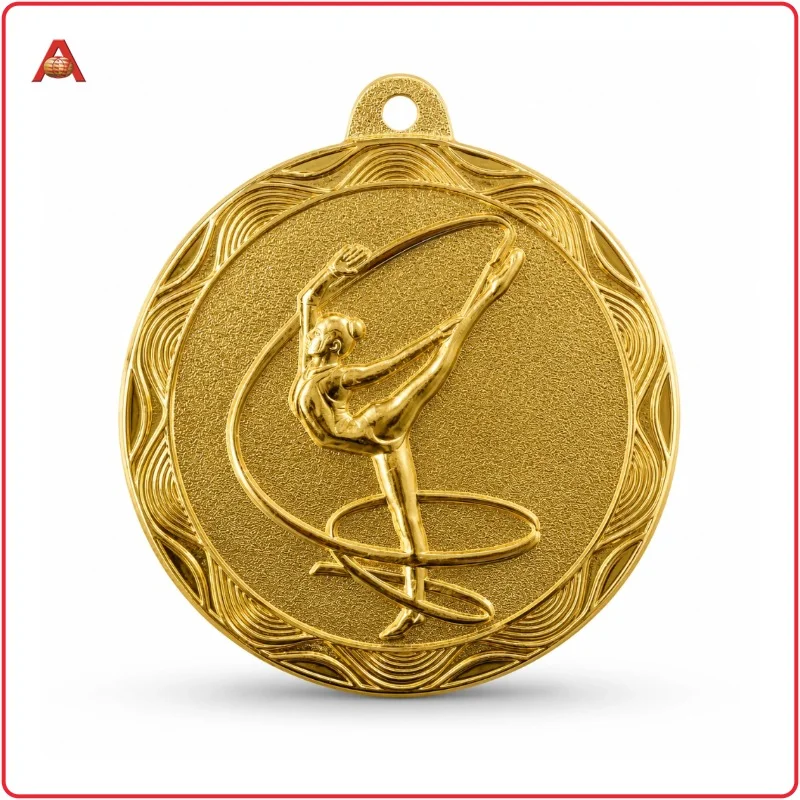
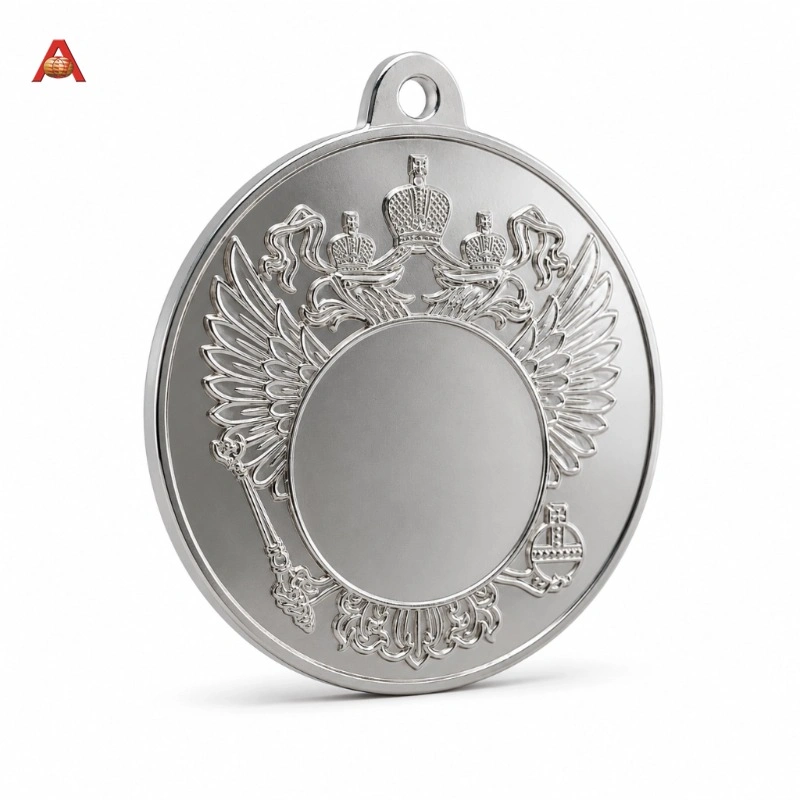
Die-Cast vs Die-Struck Medals: Which Is Better for Sports Awards?
Release time: 2026-10-23
Table of Contents
When sourcing custom sports medals, the manufacturing process affects how a design is formed, how its details appear, and how the finished product fits the project’s budget. Die casting and die striking are two established approaches to metal forming, but they are not interchangeable for every design.
For event organizers, sports associations, and bulk buyers, choosing the right process requires more than comparing product photos or unit prices. Artwork complexity, order volume, finishing requirements, and delivery schedules all influence the final decision.
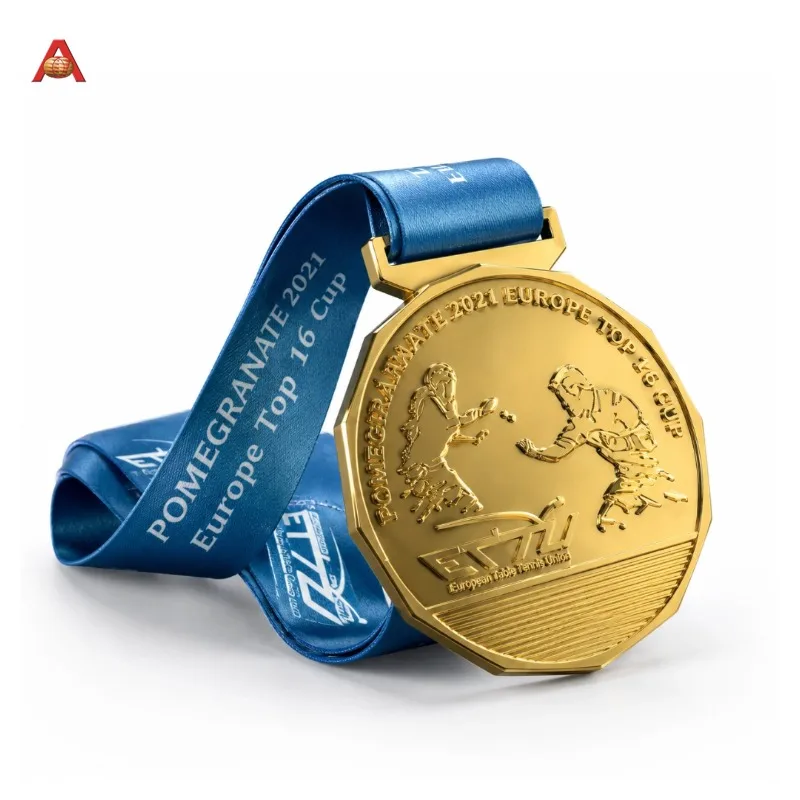
1. What Is a Die-Cast Medal?
Die casting generally involves injecting molten metal into a mold cavity to create a specified shape. The metals and production conditions available for a particular medal depend on the manufacturer’s equipment, material system, and product requirements.
When the design is suitable, die casting can be used to produce medals with dimensional forms, varied contours, and relatively elaborate shapes.
Common applications include:
- Dimensional artwork: Event logos or graphics that require different levels of relief.
- Complex outlines: Medal shapes that go beyond traditional circles.
- Detailed surfaces: Designs featuring multiple raised elements or decorative sections.
- Themed designs: Medals incorporating mascots, landmarks, sports equipment, or other recognizable imagery.
Die casting does not automatically guarantee that every tiny detail will be reproduced perfectly. The final result still depends on mold design, product dimensions, material characteristics, manufacturing capability, and subsequent finishing.
For this reason, artwork should be reviewed at the intended production size before the design is finalized.
2. What Is a Die-Struck Medal?
Die striking typically uses dies and pressure to form a metal blank into a specified outline or pattern. The exact production method varies according to material thickness, product structure, and design requirements.
For suitable designs, die striking can produce medals with defined outlines, crisp graphics, and raised or recessed details.
This process may be appropriate for:
- Clear graphic layouts: Event logos, lettering, dates, and relatively straightforward visual elements.
- Consistent designs: Medal collections that require standardized dimensions and a unified appearance.
- Traditional metal finishes: Designs that emphasize the material’s appearance and surface treatment.
- Repeat orders: Projects requiring large quantities of medals made to consistent specifications.
Die-struck medals can also feature dimensional effects. They should not be viewed as products limited to completely flat surfaces. The achievable result depends on die design, relief depth, material characteristics, and the required forming operations.
3. Die-Cast vs. Die-Struck Medals: Key Differences
The main distinction lies in how the metal is formed and how well each method accommodates the intended design.
| Comparison Factor | Die-Cast Medals | Die-Struck Medals |
|---|---|---|
| Forming method | Molten metal is formed in a mold cavity | Metal stock is shaped using dies and pressure |
| Design suitability | Often suitable for complex contours and dimensional forms | Often suitable for defined outlines and embossed or recessed graphics |
| Detail requirements | Depends on mold design, material, scale, and finishing | Depends on die design, material, pressure, and graphic depth |
| Surface appearance | Can support varied shapes and relief features | Can provide crisp stamped details and a traditional metal appearance |
| Design limitations | Complex tooling and finishing may add cost or production requirements | Deep or complex forms may require design adjustments or additional operations |
| Best selection criteria | Overall geometry and required dimensional effect | Artwork structure and the desired stamped appearance |
These are general comparisons rather than absolute rules. The appropriate process should be determined from the actual artwork, dimensions, and manufacturing capabilities available for the project.
A manufacturer should evaluate the complete design before recommending a process. This reduces the risk of choosing a method based on assumptions that do not hold for the specific medal.
4. Which Process Is Better for Different Sports Events?
Marathons and Road Races
Marathon and road-race medals often feature event names, years, city landmarks, or route-inspired designs. If the artwork emphasizes an unusual outline or multiple dimensional elements, die casting may be worth evaluating. If the design prioritizes clearly defined graphics and a traditional metal appearance, die striking may also be suitable.
The ribbon should be planned alongside the medal body. Its color, printed artwork, width, and attachment method contribute to the overall presentation.
Championships and Competitive Sports
Championship medals often need to distinguish award levels while maintaining a consistent design across the collection. Buyers should evaluate the gold, silver, and bronze finishes, medal dimensions, graphic clarity, and consistency between versions.
The manufacturing process should support the award system rather than introduce unnecessary complexity. If the same medal design is required in several finishes, confirm that the proposed process can achieve the desired appearance consistently.
School and Community Sports Events
School and community competitions often require a balance between budget and visual appeal. For a relatively straightforward design and a large order, buyers can ask manufacturers to evaluate both die-cast and die-struck options.
The comparison should account for tooling investment, finishing requirements, order volume, and the complexity of the artwork.
It is not reliable to assume that one process will always cost less. The final cost depends on the specific design and production conditions.
5. How Do Finishing and Color Affect the Final Result?
The forming process is only one part of medal manufacturing. Plating, color application, polishing, and other finishing operations also influence the finished appearance.
Buyers should confirm the following details:
- Plating finish: Gold, silver, antique bronze, or another specified surface appearance.
- Enamel colors: Whether the design requires filled color areas and clearly defined boundaries.
- Polished and recessed areas: Whether different heights or surface treatments are needed to create visual contrast.
- Text and logos: Whether lettering and graphics remain legible at the final dimensions.
- Ribbons and accessories: Whether ribbon colors, printed artwork, and attachment methods match the medal.
The final finish depends not only on the forming process but also on the material, surface preparation, processing sequence, and quality controls. Buyers should therefore evaluate the design and finishing requirements as a complete package.
A clear specification is particularly important for bulk orders. It helps prevent different interpretations of the same artwork during manufacturing and inspection.
6. How Should Buyers Compare Costs for Bulk Medal Orders?
Unit price alone does not provide a complete picture of a bulk medal project’s cost. Different manufacturing processes may involve different tooling investments, setup requirements, finishing operations, and inspection needs.
When comparing quotations, confirm whether they include:
- Mold or design development charges.
- The same material, dimensions, thickness, and finishing specifications.
- Ribbons, printing, and packaging.
- Sample approval and production to the same confirmed specifications.
- Minimum order quantities, volume-based pricing, and lead-time conditions.
- Shipping, split deliveries, and other project-specific requirements.
If two suppliers are quoting products with different specifications, their unit prices are not directly comparable. A meaningful comparison requires equivalent designs, materials, processes, and accessories.
For large orders, buyers should also consider production planning and quality management. A slightly lower quotation may not provide better overall value if important requirements are excluded or delivery arrangements remain unclear.
7. Consult a Manufacturer Before Finalizing the Design
Involving a manufacturer early in the design process can help identify production limitations before they become expensive revisions. Very small lettering, narrow gaps between graphic elements, and complicated surface structures may need adjustment to suit the actual dimensions and manufacturing capabilities.
Badge One Factory operates a 50,000-square-meter factory with 13 fully owned workshops and brings 43 years of industry experience. The company has served more than 500 enterprise customers and has experience with major projects and national-level sporting events. These capabilities provide relevant context for buyers evaluating a supplier for customized bulk orders.
Before production begins, confirm the artwork, dimensions, material, finish, ribbon, packaging, and delivery schedule. The parties should also agree on sample approval procedures and the quality standards that will apply to the bulk order.
A well-defined specification helps align the buyer, designer, and manufacturer around the same requirements.
Frequently Asked Questions
Are die-cast medals always better for complex designs?
Not necessarily. Die casting is often worth evaluating for certain complex contours and dimensional forms, but the achievable result depends on the mold, material, dimensions, and finishing. The specific artwork should determine the recommendation.
Are die-struck medals suitable for sports competitions?
Yes. Die-struck medals can suit many designs featuring defined outlines, lettering, logos, and raised or recessed graphics. The final choice depends on relief depth, dimensions, and the intended surface appearance.
Which medal manufacturing process is more affordable?
There is no universal answer. Costs depend on design complexity, tooling, materials, finishing, order volume, and additional processing. Compare quotations using equivalent specifications rather than relying on the process name alone.
Can custom sports medals combine different finishes and colors?
Depending on the design and available processes, plating, color fills, and contrasting surface treatments can be combined. Buyers should confirm the intended appearance and review the artwork or sample before bulk production.
Conclusion
Die-cast and die-struck medals serve different design requirements. Die casting is often worth considering for complex contours and dimensional forms, while die striking can suit many designs that emphasize clearly defined graphics, regular structures, and a traditional metal appearance. The right choice depends on the artwork, budget, order volume, and production conditions rather than the process name alone.
Badge One Factory provides custom metal commemorative products for business customers and has experience with major projects. For sports medal procurement, confirming the design and manufacturing process early, standardizing bulk production specifications, and establishing clear inspection criteria can make project execution more predictable.
If you are planning a bulk order of custom sports medals, share the artwork, target quantity, and finishing requirements with Badge One Factory to evaluate a suitable manufacturing approach.