How Do You Choose Custom Medals for Large Sporting Events?
Release time: 2026-10-15
Table of Contents
For marathons, championships, school sports days, and large community competitions, medals do more than recognize athletic achievement. They also represent the identity of the event and give participants a tangible reminder of their experience. However, sourcing custom medals in large quantities involves more than choosing an attractive design. Event organizers must consider manufacturing processes, material and finish options, order volume, quality consistency, and delivery schedules.
Choosing the right custom medal manufacturer helps organizers balance visual impact, budget, and production reliability. For events requiring thousands of medals or more, a supplier’s ability to manage bulk production is just as important as the appearance of the finished product.
1. Define the Purpose of the Sporting Event
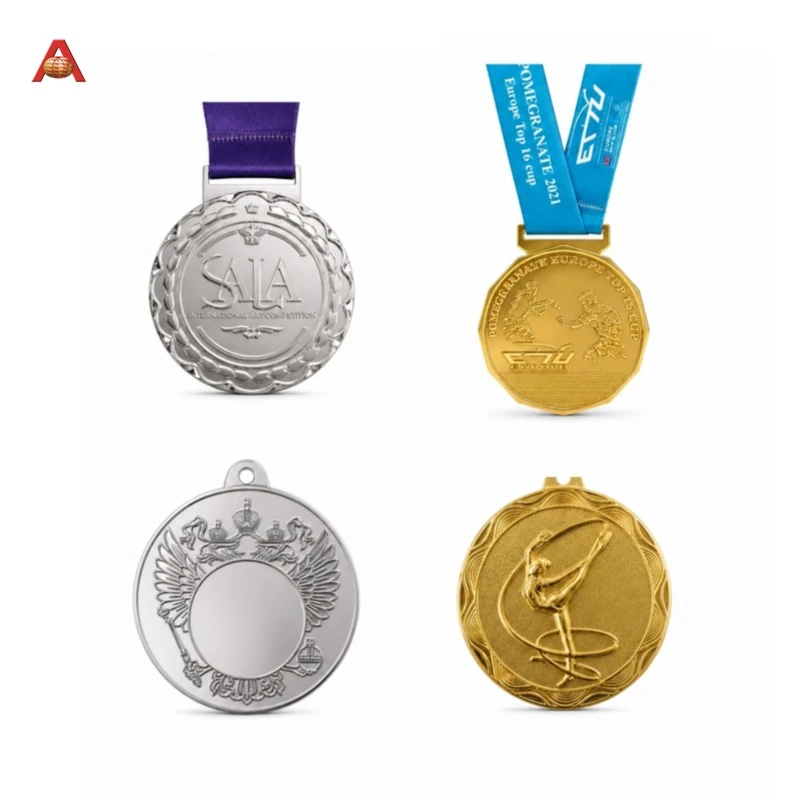
Before developing a medal design, determine how the medals will be used. Different sporting events have different requirements for appearance, construction, and order quantities.
- Marathons and running events: Finisher medals often feature event logos, dates, route-inspired graphics, or distinctive shapes. The ribbon is also an important part of the overall design.
- Competitive sports and championships: Gold, silver, and bronze awards need clear distinctions while maintaining a consistent design across the collection.
- School sports events: Medals often need to balance affordability, durability, and designs suitable for participants of different ages.
- Corporate sports days and charity events: Medals can incorporate company branding, event themes, or visual elements associated with a fundraising campaign.
Defining the event’s purpose early helps buyers avoid paying for complex features that do not contribute meaningful value to the finished medal.
2. Choose a Design That Balances Creativity and Manufacturability
A successful custom sports medal should be recognizable, practical to manufacture, and appropriate for the event’s budget. Intricate artwork can make a medal more distinctive, but excessive detail may increase tooling complexity and make quality control more demanding.
Consider the following factors before approving a design:
- Size and thickness: Select dimensions that suit the desired appearance, wearing experience, and budget.
- Shape: Traditional round medals work well for many events, while custom shapes can communicate a specific theme.
- Relief and detailing: Flat graphics, raised elements, and three-dimensional details offer different visual effects.
- Color scheme: Plating colors, enamel fills, and other finishes should complement the event’s branding.
- Ribbon design: Ribbon width, color, printed graphics, and attachment methods should be confirmed before production.
For medals featuring detailed logos, lettering, or event dates, review the artwork at the intended production size. A graphic that looks clear on a computer screen may become difficult to reproduce when reduced to a small metal surface.
A practical design review should address both appearance and manufacturing feasibility. This helps prevent avoidable revisions after tooling or production preparation has begun.
3. Compare Materials and Manufacturing Processes
Materials and manufacturing methods influence a medal’s weight, detail, surface appearance, and overall cost. Buyers should evaluate whether the proposed process suits the design instead of comparing unit prices in isolation.
| Consideration | What Buyers Should Evaluate |
|---|---|
| Material | Weight, durability, design requirements, and budget |
| Manufacturing process | Suitability for flat graphics, raised details, or complex shapes |
| Surface finish | Plating appearance, color consistency, and visible defects |
| Color application | Whether the design requires enamel, printed graphics, or other finishes |
| Ribbon | Material, width, color, attachment method, and custom printing |
| Packaging | Protection during shipping and presentation requirements |
There is no single manufacturing option that suits every sports medal. A relatively simple design may not need the same production complexity as a medal with multiple relief levels or intricate visual elements.
For bulk orders, specifications should be confirmed before production begins. Changes to artwork, finishes, or ribbon details after approval can affect cost, lead time, and consistency across the order.
4. Plan Quantities and Lead Times Early
Large sporting events often involve several variables, including registration numbers, competition categories, backup quantities, and fixed event dates. Buyers should develop a realistic purchasing plan rather than relying solely on the current number of registrations.
Before placing an order, establish:
- The expected number of participants and the medal quantities required for each category.
- Whether separate versions are needed for staff, guests, or special awards.
- Whether additional medals are required to accommodate registration changes or potential shipping losses.
- The time needed for artwork approval, sample review, bulk production, and transportation.
- Whether staggered deliveries or shipments to multiple event locations are necessary.
More complicated designs generally require additional time for review and production preparation. Suppliers should explain the assumptions behind their lead-time estimates and account for order volume, manufacturing complexity, and delivery requirements.
Early planning is especially important when the event date cannot be changed. Leaving procurement until the last minute can limit design options and reduce the time available to address production issues.
5. Evaluate Bulk Production and Quality Control
One of the main challenges in large-scale medal procurement is maintaining consistent specifications across the entire order. Even when the artwork is approved, production must control dimensions, color appearance, surface finish, graphic clarity, and ribbon configuration.
When evaluating a supplier, ask how it manages the following:
- Production planning for large quantities.
- Manufacturing methods suited to the approved design.
- Consistency between approved artwork, samples, and finished products.
- Inspection procedures and the handling of nonconforming items.
- Coordination between medals, ribbons, and packaging.
Bulk production is not simply a matter of manufacturing more pieces at once. It also requires consistent execution, coordination between production stages, and delivery according to the agreed project schedule.
For an event organizer, these factors can be particularly important when thousands of medals must be distributed across multiple race categories or event locations. A clearly documented specification helps everyone involved work toward the same result.
6. Select a Manufacturer with Relevant Project Experience
For large sporting events, a supplier’s overall execution capability can matter more than a low initial quotation. Buyers should assess manufacturing capacity, production organization, quality management, communication, and experience with projects of comparable complexity.
Badge One Factory operates a 50,000-square-meter factory with 13 fully owned workshops and brings 43 years of industry experience. The company has served more than 500 enterprise customers and has experience with major projects and national-level sporting events. These capabilities provide relevant points for buyers to consider when evaluating a potential manufacturing partner.
When requesting a quotation, provide the expected order quantity, artwork, dimensions, finish requirements, ribbon specifications, packaging needs, and target delivery date. These details help the manufacturer evaluate the production requirements and propose a suitable plan.
For complex orders, buyers should also establish clear approval milestones. Artwork approval, sample confirmation, final specifications, and delivery arrangements should be documented before bulk production proceeds.
Frequently Asked Questions
What should I prepare before requesting a bulk sports medal quotation?
Prepare artwork or reference images, the estimated quantity, medal dimensions, preferred materials or finishes, ribbon requirements, packaging details, and the target delivery date. More complete specifications generally make quotation and production assessment more accurate.
How early should I order custom medals for a large sporting event?
Work backward from the event date, allowing time for design development, sample approval, manufacturing, and shipping. Contact the manufacturer early for large or highly customized projects and confirm a production schedule before placing the order.
Can custom sports medals include logos, event names, and years?
These details can generally be incorporated into custom medal designs. The best method depends on the medal’s dimensions, artwork complexity, and selected manufacturing process. Review the final artwork to ensure that lettering and logos remain legible at the actual production size.
How can I maintain consistent quality across a large medal order?
Confirm the approved design and sample standard before production. Keep material, dimensions, colors, finishes, ribbons, and packaging specifications consistent, and establish appropriate quality inspection procedures.
Conclusion
Choosing custom medals for a large sporting event requires a balance of design, manufacturing processes, budget, production capacity, and delivery planning. For marathons, championships, and major sports events, reliable bulk production and consistent quality control can reduce procurement risks and help organizers prepare for event day.
Badge One Factory provides custom metal commemorative products for business customers and has experience with major projects. Whether you need finisher medals, championship awards, or large quantities of medals with consistent specifications, defining the design and procurement requirements early is an important first step.
To discuss a bulk production plan for custom sports medals, provide Badge One Factory with your artwork, estimated quantity, and delivery requirements so the appropriate manufacturing and procurement options can be evaluated.