How Do Custom Medals Improve Recognition at Events?
Release time: 2026-09-10
Table of Contents
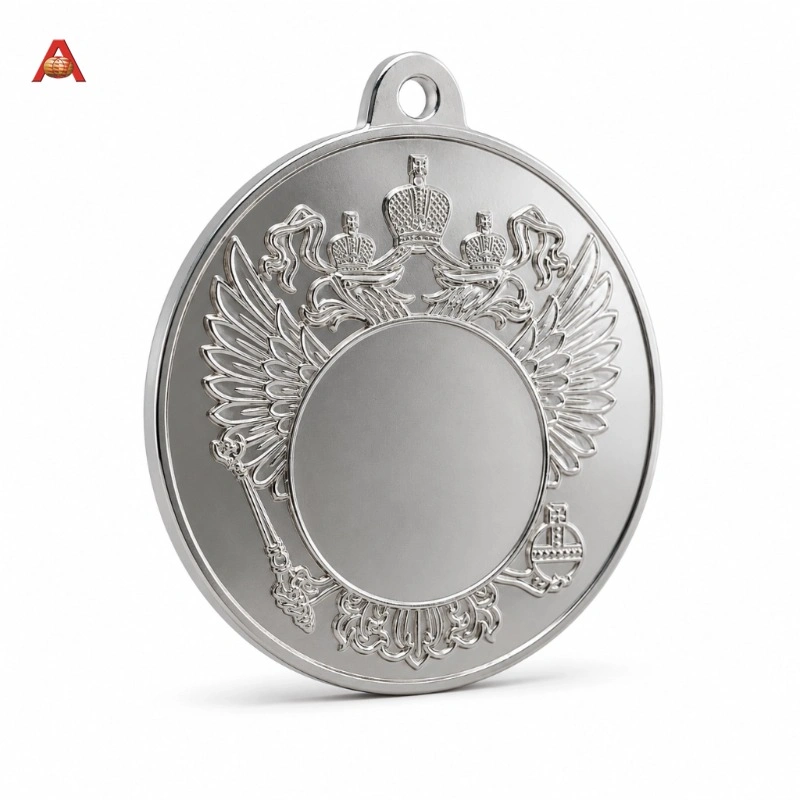
A medal is more than a piece of metal, color, and ribbon. For sports events, corporate recognition programs, and major activities, it becomes a physical symbol of achievement that recipients can keep long after the event ends.
That makes medal design and manufacturing more important than they may initially appear. Buyers need to consider visual identity, wearing comfort, event purpose, and production consistency. For orders involving hundreds or thousands of pieces, the manufacturer’s production capability becomes equally important.
Why Are Custom Medals More Than Event Souvenirs?
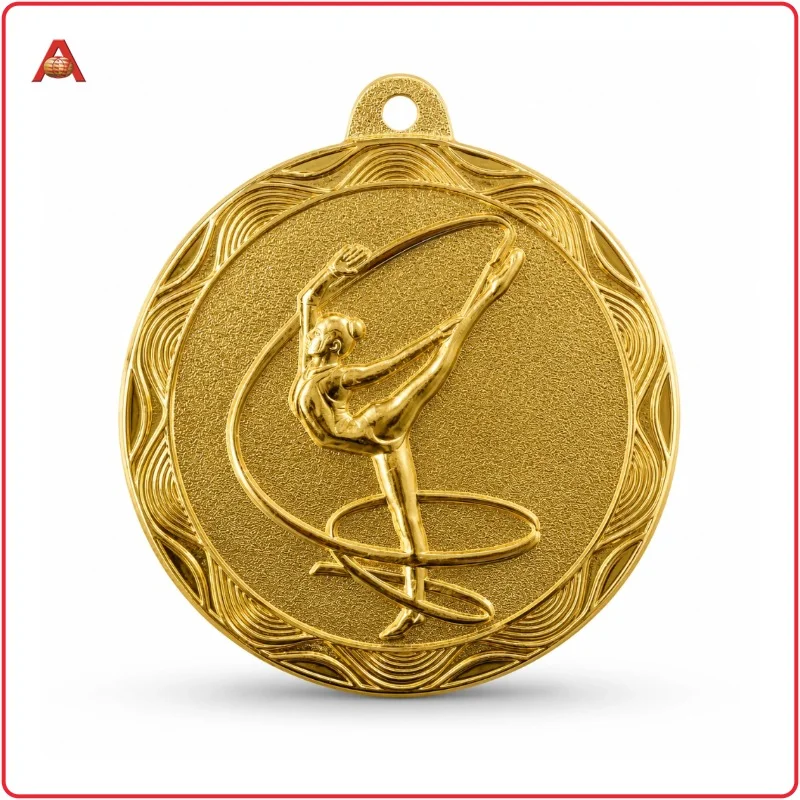
Medals have traditionally been associated with marathons, school competitions, and athletic events.
Their role has expanded, however. Companies now use custom medals to recognize employee achievements, years of service, major projects, and corporate milestones. Nonprofit organizations use them for charity runs and fundraising events, while clubs, associations, and institutions can use them to strengthen identity and commemorate important occasions.
A well-designed medal can therefore serve three purposes:
- Recognition: acknowledging an individual or team’s achievement
- Identity: representing an event, organization, or brand
- Keepsake: giving recipients something tangible to remember the occasion
Unlike a conventional promotional giveaway, a medal is directly associated with accomplishment.
What Determines the Quality of a Custom Medal?
A medal may have a relatively simple structure, but its final appearance depends on several manufacturing variables.
The first is size and thickness. A larger medal allows more room for relief details and visual elements, but it also adds weight. For running events, where participants may wear the medal for an extended period, weight needs to be balanced against visual impact.
The second is relief depth. Logos, lettering, and graphics need sufficient depth to remain distinguishable within a limited metal surface.
The third is surface finishing. Gold, silver, bronze, and antique finishes can create very different visual impressions and help position the medal as athletic, commemorative, premium, or traditional.
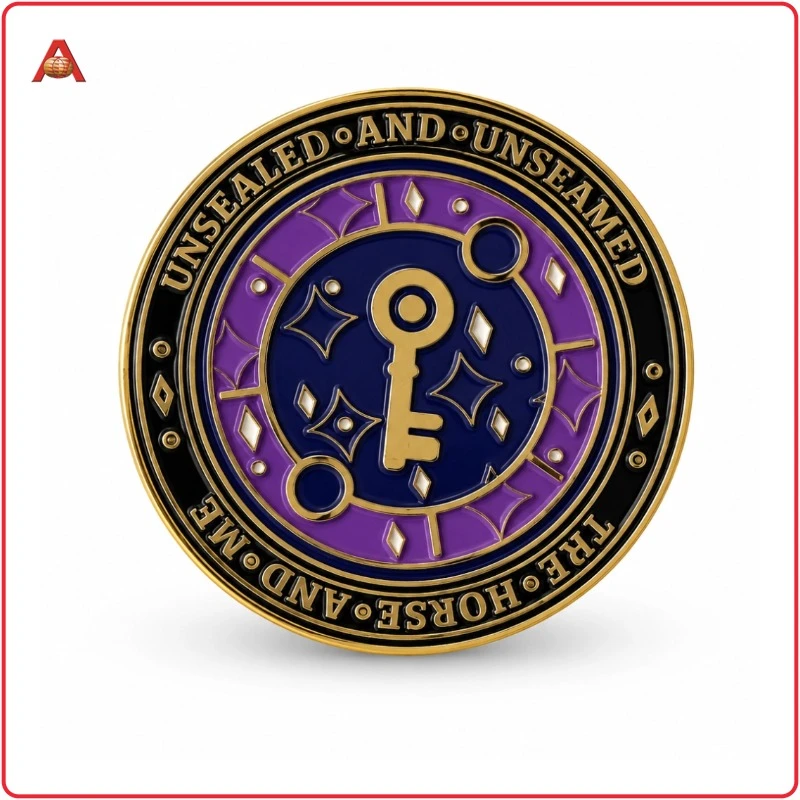
The fourth is color application. Enamel can reinforce event colors, corporate branding, or organizational identity, but overly complicated artwork can reduce readability in small recessed areas.
For this reason, buyers should have the artwork evaluated at its actual physical size before production begins.
Sports Medal vs Corporate Recognition Medal: What Changes?
Although both are Custom Medals, their design objectives are different.
Sports medals commonly emphasize:
- Event name
- Competition category
- Placement or completion status
- Event logo
- Year
- Distinctive visual elements
Corporate recognition medals tend to emphasize:
- Company logo
- Achievement
- Employee recognition
- Years of service
- Milestones
- Corporate values
| Factor | Sports Medal | Corporate Recognition Medal |
|---|---|---|
| Primary purpose | Athletic achievement | Corporate recognition |
| Visual focus | Event identity | Brand and achievement |
| Common wording | Race / Finisher / Champion | Achievement / Recognition / Service |
| Typical buyers | Race organizers / Sports clubs | Companies / HR teams / Event agencies |
| Design priority | Event visibility | Brand and prestige |
The same medal manufacturing process therefore does not necessarily produce the right result for every application.
Why Does Production Consistency Matter for Bulk Orders?
A small sample order can sometimes hide production problems because individual pieces can be manually adjusted.
Once an order reaches hundreds or thousands of units, consistency becomes the real challenge.
Bulk medal production requires control over:
- Die dimensions and detail
- Metal thickness
- Relief depth
- Plating finish
- Enamel filling
- Ribbons and attachments
- Surface polishing
- Final inspection
- Packaging
A visible variation in any of these areas can make pieces from the same order look inconsistent.
That is why B2B buyers should evaluate a manufacturer’s Bulk Order Manufacturing capability rather than comparing unit prices alone.
Why Does Large-Scale Production Require Broader Manufacturing Capability?
A major project rarely involves only one medal.
A sporting event may require several medal versions for different categories, years, or competition levels. A corporate program may involve recognition medals alongside badges, commemorative coins, or other customized metal products.
When different processes are handled by unrelated suppliers, communication, sampling, quality control, and scheduling become more complicated.
Badge One Factory operates a 50,000-square-meter manufacturing facility with 13 fully owned workshops and brings 43 years of manufacturing experience. The company has served 500+ enterprises and has experience supporting major projects and national-level sporting events.
The value of this infrastructure is not simply factory size. It is the ability to coordinate different products and processes within an integrated manufacturing system.
For companies managing recurring procurement or large projects, that can make a meaningful difference.
How Should Businesses Choose Custom Medals for an Event?
Start with four questions.
First, why is the medal being produced?
Define whether it is for a competition, employee recognition, an anniversary, or a commemorative event.
Second, who will receive it?
The recipient affects the appropriate dimensions, weight, visual style, and packaging.
Third, how many pieces are required?
Quantity affects production economics, scheduling, and the manufacturing capacity required from the supplier.
Fourth, how complex is the design?
Complex relief, small lettering, multiple colors, and unusual outlines should all be reviewed for manufacturability before tooling.
An experienced manufacturer should be able to contribute during the design stage rather than discovering production limitations after tooling has already begun.
Why Are B2B Buyers Looking Beyond the Product Itself?
As order volumes increase, the manufacturer becomes part of the project.
A reliable supplier needs to manage design communication, sampling, tooling, production, quality control, and bulk delivery instead of simply passing the order to another factory.
Badge One Factory is positioned around this requirement with Built for Bulk Orders and OEM & Bulk Production capabilities.
From 500 pieces to mass production, businesses can develop manufacturing solutions around the required product specifications, finishing options, and project requirements.
Final Takeaway
A successful custom medal is the result of design, materials, finishing, and manufacturing consistency working together.
For sports events, corporate recognition, schools, charity programs, and large organizational projects, working with a manufacturer capable of handling bulk production can reduce the risk of quality variation and delivery problems later in the project.
With a 50,000-square-meter facility, 13 fully owned workshops, 43 years of manufacturing experience, 500+ enterprise customers, and experience with major projects and national-level sporting events, Badge One Factory supports businesses seeking Factory Direct Custom Medals and scalable custom production.
FAQ
What is the difference between a sports medal and a corporate recognition medal?
Sports medals primarily recognize athletic performance or completion, while corporate medals are generally designed around employee achievement, service, milestones, or organizational recognition.
What information should be included on a custom medal?
Common elements include a logo, event name, year, achievement title, category, organization name, or recipient-specific information.
What affects the cost of custom medals?
Quantity, dimensions, thickness, metal material, tooling complexity, plating, enamel, ribbon design, packaging, and personalization can all affect the final cost.
Are custom medals suitable for large events?
Yes. They are widely used for marathons, competitions, school events, corporate recognition programs, charity events, and other large-scale activities.
What should I look for in a bulk medal manufacturer?
Production capacity, process coverage, quality control, sampling, communication, project experience, and consistency across large orders are all important factors, not just unit price.