How Do Custom Metal Badges Build Corporate Identity?
Release time: 2026-09-23
Table of Contents
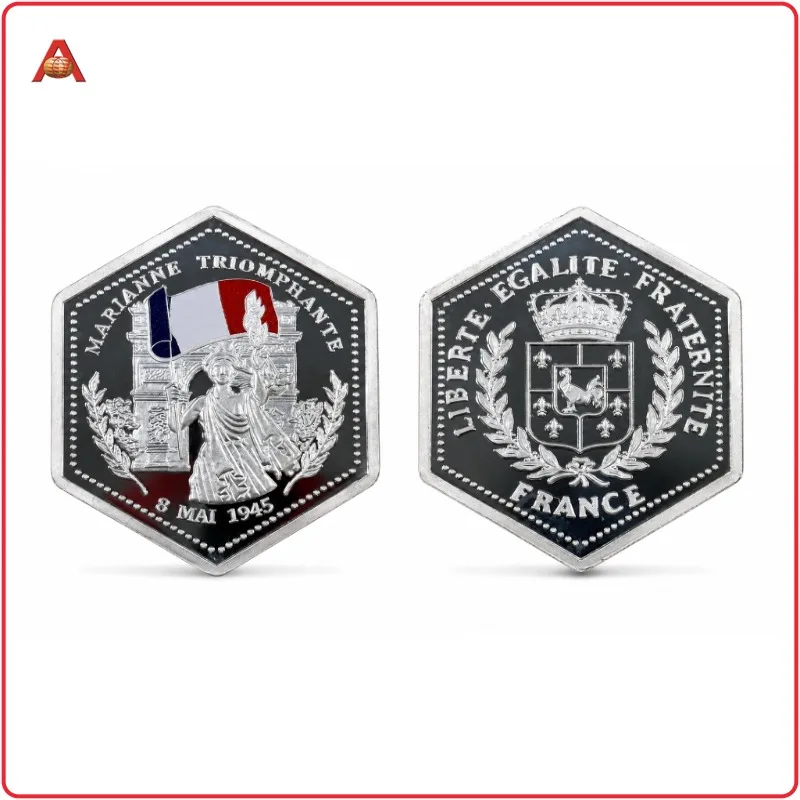
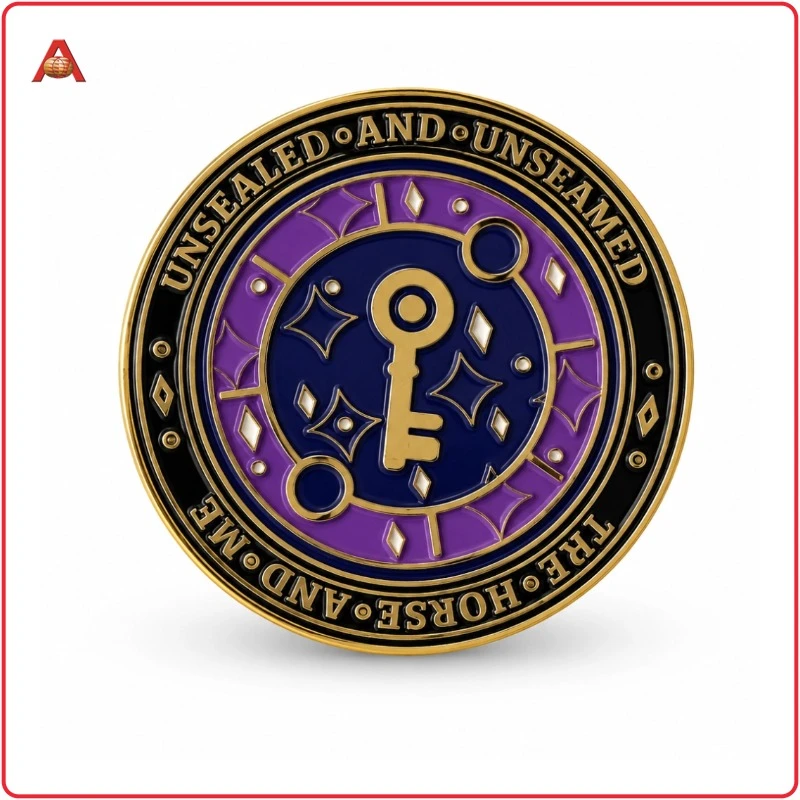
A badge may be a small metal product, but it can carry a surprisingly clear sense of identity. Companies, associations, clubs, and organizations use custom badges to display logos, membership status, positions, event themes, and organizational culture.
The final result, however, depends on much more than artwork. Metal selection, die precision, relief depth, plating, enamel, and production consistency all influence how the finished badge looks and feels.
Why Do Businesses Use Custom Metal Badges?
A corporate badge is not simply a way to put a logo on metal.
It can support:
- Employee recognition
- Corporate events
- Staff identification
- Organizational membership
- Conferences
- Brand promotion
- Clubs and associations
- Uniform accessories
A company may create a dedicated badge for employee anniversaries, major conferences, corporate events, or special projects.
For associations and clubs, a badge can also become a physical symbol of membership.
This gives Custom Metal Badges both branding and recognition functions.
What Makes a Design Suitable for a Metal Badge?
Badge dimensions are limited, so a digital logo cannot always be reduced directly into a production-ready metal design.
Several elements require attention.
Line width
Extremely thin lines may not remain clear after stamping or casting.
Text size
Company names, positions, and event titles need to be adjusted according to the actual physical dimensions.
Relief levels
Different metal heights create visual contrast through light and shadow, but excessive complexity can increase tooling difficulty.
Color areas
Enamel can strengthen brand recognition, but each color section needs sufficient physical area for clean filling.
A logo that looks excellent on a computer screen is therefore not automatically suitable for metal production.
Die-Struck vs Die-Cast Badge: What Is the Difference?
This is an important consideration for corporate buyers.
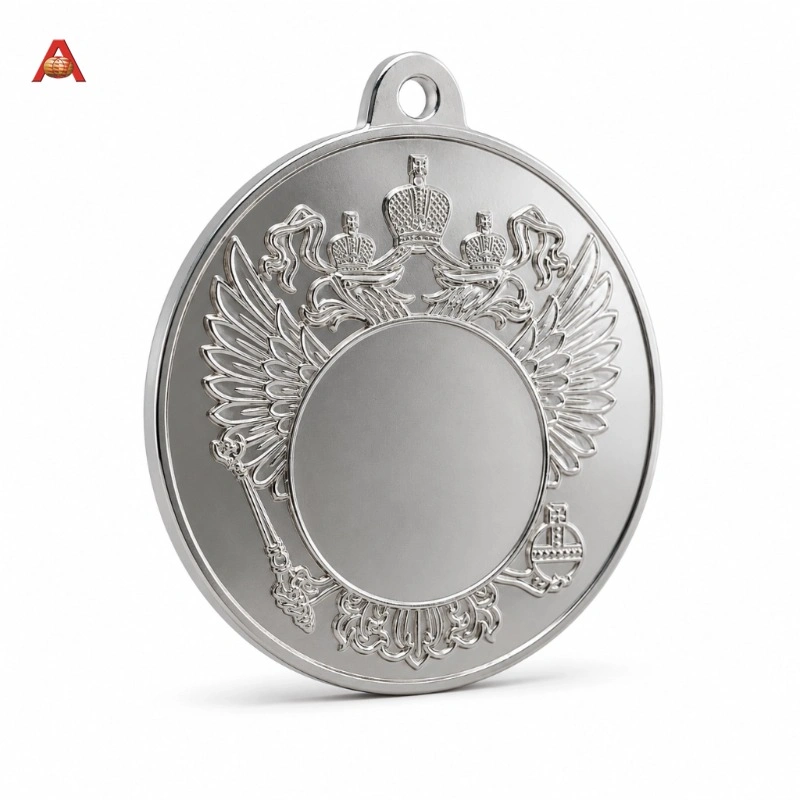
A Die-Struck Badge uses a die to create raised and recessed details in the metal. It is particularly suitable for logos, lettering, lines, and designs that rely on traditional metal relief.
A Die-Cast Badge provides greater flexibility for three-dimensional forms, sculpted elements, unusual contours, and deeper relief.
| Factor | Die-Struck Badge | Die-Cast Badge |
|---|---|---|
| Main effect | Raised / Recessed Metal | 3D / Sculpted |
| Suitable designs | Logos, text, lines | Complex 3D graphics |
| Visual style | Classic and clean | Dimensional and detailed |
| Detail capability | Strong for relief | More flexible for 3D structures |
| Typical applications | Corporate / Organizational | Premium / Collectible |
The final choice should still be based on the artwork, dimensions, quantity, and budget.
Why Do Plating and Enamel Change the Look of a Badge?
The same die can produce very different results depending on the finishing treatment.
For example:
- Gold plating can create a premium appearance.
- Silver plating can provide a clean, contemporary look.
- Antique finishes can create a vintage character.
- Soft enamel adds color and tactile contrast.
- Hard enamel produces a smoother surface.
Corporate badge design should therefore consider more than color alone. Buyers should evaluate how metal finish, enamel, relief, and artwork work together.
For long-term corporate programs, consistency between production batches is equally important.
Why Are Large Corporate Orders More Demanding?
Producing dozens of badges and producing several thousand are fundamentally different manufacturing challenges.
A small order primarily tests:
Design accuracy
A large order also tests:
Process consistency
Production needs to maintain control over:
- Tooling
- Metal base
- Dimensions
- Relief
- Plating
- Enamel
- Badge backing
- Polishing
- Inspection
- Packaging
For corporate buyers using badges across multiple offices, countries, or recurring employee programs, maintaining the same appearance across batches becomes especially important.
That is why Built for Bulk Orders should represent actual manufacturing capability rather than simply functioning as a marketing phrase.
Why Does Full Process Coverage Matter to B2B Buyers?
A custom metal badge is rarely created through a single manufacturing step.
A typical production flow can involve:
Artwork → Tooling → Metal Forming → Plating → Enamel → Finishing → Inspection → Packaging
When separate processes are outsourced to unrelated suppliers, communication and project management become more complicated.
Badge One Factory operates a 50,000-square-meter facility with 13 fully owned workshops, providing broad manufacturing coverage for customized metal products.
Combined with 43 years of manufacturing experience, experience serving 500+ enterprises, and major project and national-level sporting event experience, this production foundation is designed to support long-term corporate orders and complex customized projects.
What Should Businesses Look for in a Badge Manufacturer?
Instead of asking only:
“How much per piece?”
B2B buyers should ask several broader questions.
1. Can the manufacturer handle the quantity?
If an initial order may grow from hundreds to thousands of pieces, does the supplier have sufficient capacity?
2. Can the manufacturer maintain consistency?
Can plating, enamel, relief, and dimensions remain consistent across repeat production?
3. Can different processes be coordinated?
If one project requires different materials, finishes, or related products, can they be managed within the same manufacturing system?
4. Does the supplier understand B2B requirements?
Corporate orders may require stricter sampling, delivery schedules, packaging specifications, and quality control.
These factors are often more useful for identifying a long-term manufacturing partner than simply finding the lowest quotation.
What Does Factory Direct Custom Badge Production Mean for Businesses?
For long-term buyers, working directly with a manufacturer can provide more direct communication around production and customization.
Badge One Factory is positioned to support OEM & Bulk Production, from corporate logo badges and organizational membership badges to event products and larger customized programs.
For buyers planning larger procurement volumes, From 500 pcs to Mass Production reflects the company’s focus on scalable manufacturing rather than one-off production.
Final Takeaway
A corporate badge may be small, but it can represent a brand, a role, an achievement, or a shared organizational identity.
For this reason, businesses sourcing Custom Metal Badges should evaluate how well a supplier combines design understanding, manufacturing processes, quality control, and production capacity.
With a 50,000-square-meter facility, 13 fully owned workshops, 43 years of manufacturing experience, 500+ enterprise customers, and experience with major projects and national-level sporting events, Badge One Factory supports companies, associations, event organizers, and other B2B buyers with OEM & Bulk Production.
FAQ
What are custom metal badges used for?
They can be used for corporate branding, employee recognition, organizational membership, uniforms, events, clubs, associations, and promotional programs.
What is the difference between die-struck and die-cast badges?
Die-struck badges are formed by stamping raised and recessed details into metal, while die-cast badges offer greater flexibility for three-dimensional and sculpted designs.
Can a company logo be turned into a metal badge?
Yes. However, the artwork may need adjustment for physical production. Fine lines, small text, and complex details should be reviewed before tooling.
What plating options are available for custom badges?
Common finishes include gold, silver, bronze, antique, and other customized treatments. The appropriate choice depends on the intended appearance and application.