Soft Enamel Pin vs Hard Enamel Pin: Which Is Better?
Release time: 2026-08-19
Table of Contents
A custom pin may look simple, but the enamel process has a direct effect on its appearance, durability, and perceived value. For brands, clubs, events, and promotional product buyers, choosing between soft and hard enamel is not simply a matter of color preference.
The two finishes are produced differently, which means they behave differently in terms of surface texture, visual depth, detail, and production requirements. Understanding those differences before placing a bulk order can prevent a design from looking very different from the original artwork.
What Is the Difference Between Soft Enamel and Hard Enamel Pins?
The fundamental difference is the final surface.
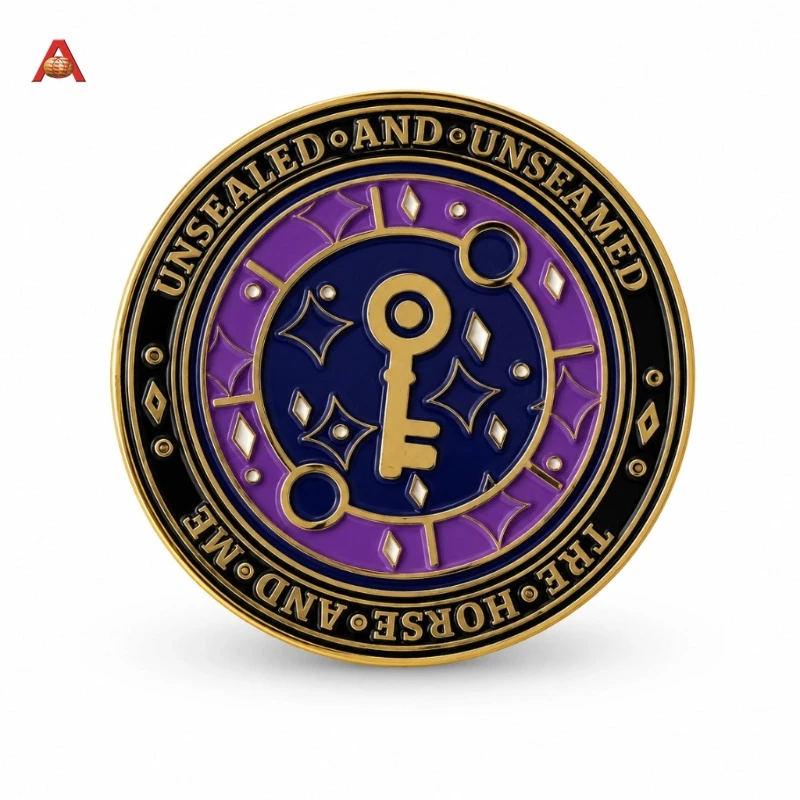
With a soft enamel pin, the enamel color is filled into recessed areas of the metal design. After curing, the enamel normally sits slightly below the raised metal borders. This creates the characteristic textured surface that many buyers associate with traditional enamel pins.
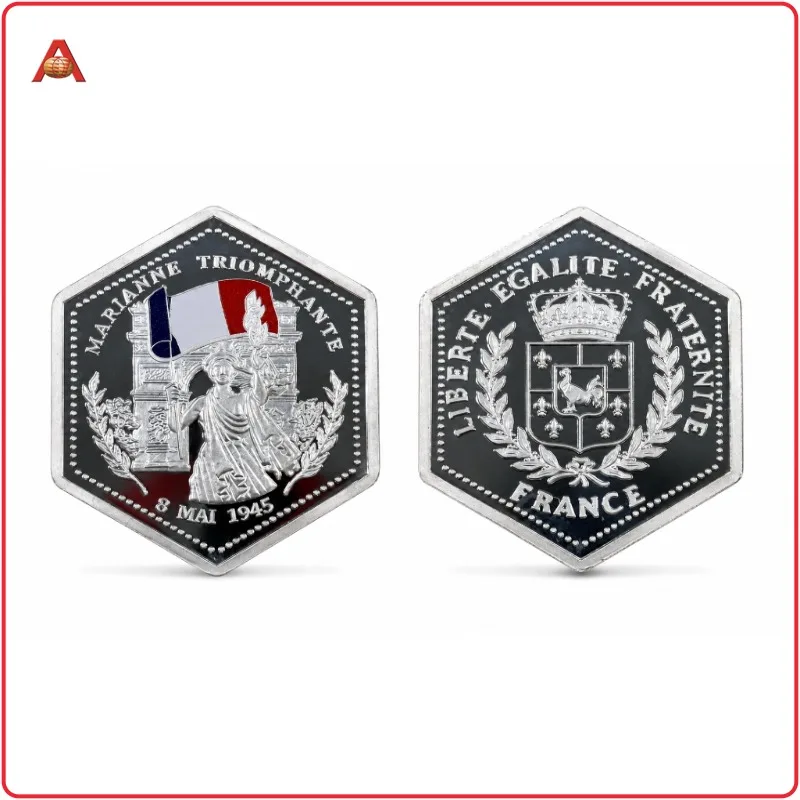
A hard enamel pin is filled and polished until the enamel and metal borders form a much more uniform surface. The result is smoother and closer to the appearance of a small piece of jewelry.
| Feature | Soft Enamel Pin | Hard Enamel Pin |
|---|---|---|
| Surface | Textured / recessed | Smooth / polished |
| Visual effect | Strong color separation | Refined, jewelry-like finish |
| Fine details | Good | Better for clean, precise designs |
| Color appearance | Vibrant and dimensional | Smooth and polished |
| Typical positioning | Promotional & collectible | Premium branding & recognition |
| Cost tendency | Generally more economical | Generally higher |
| Best suited for | Bold designs and larger orders | Premium designs and detailed branding |
The important point is that neither finish is universally “better.” The right choice depends on the artwork, budget, quantity, and intended use.
When Should You Choose a Soft Enamel Pin?
Soft enamel is particularly effective when the design benefits from visible metal outlines and a slightly textured surface.
For example, a club logo with several strong color blocks can work extremely well as a soft enamel design. The raised metal borders naturally separate each color area, making the artwork easy to recognize even when the pin is relatively small.
Soft enamel is also widely considered for:
- Promotional merchandise
- Event giveaways
- Club and membership pins
- Fan merchandise
- Souvenir products
- Campaign and fundraising products
- Large-volume branded merchandise
For buyers ordering thousands of units, production economics can also become an important factor. A well-designed soft enamel pin can deliver strong visual impact without requiring the premium surface treatment associated with some higher-end products.
However, soft enamel requires careful consideration of the artwork. Extremely narrow color areas, tiny text, or overly complicated graphics can become difficult to reproduce cleanly at small dimensions.
When Is Hard Enamel the Better Choice?
Hard enamel becomes more attractive when the buyer wants the pin to feel more like a premium accessory than a promotional giveaway.
Because the surface is polished, the finished product has a clean and sophisticated appearance. This makes it particularly suitable for corporate identity programs, premium merchandise, commemorative products, and brands where perceived quality matters.
Hard enamel can work well for:
- Corporate logo pins
- Premium promotional products
- Executive gifts
- Recognition pins
- Collectible pins
- Fashion accessories
- Brand merchandise
For a simple logo with two or three carefully selected colors, a hard enamel pin can produce an especially clean result.
The key consideration is not simply choosing the more expensive finish. The artwork must justify it. A complex illustration with many tiny details may require design adjustments before production, regardless of the enamel type.
How Does Manufacturing Quality Affect the Final Pin?
The enamel specification is only one part of the manufacturing equation.
The quality of the metal base, die precision, plating, color filling, curing, polishing, and final inspection all influence the finished product.
A pin with excellent artwork can still look disappointing if:
- Metal borders are inconsistent
- Color areas are contaminated
- Plating is uneven
- Small details are lost during die production
- The pin back is poorly assembled
- Surface polishing is inconsistent
This is why buyers should evaluate the manufacturer’s production capability rather than comparing enamel types in isolation.
For a large B2B order, it is worth confirming the following before production:
- Final dimensions and artwork scale
- Metal base material
- Enamel type and color references
- Plating finish
- Attachment or backing style
- Sample approval process
- Bulk production inspection
- Packaging requirements
These details become particularly important when the pin is part of a wider branding campaign where every batch needs to maintain the same visual identity.
How Should Buyers Choose Between the Two?
A practical decision can be made by looking at four factors: design, positioning, quantity, and budget.
If the design uses bold shapes, strong outlines, and relatively simple color blocks, soft enamel is often a practical choice.
If the product needs a smooth, premium surface and will be presented as a recognition item, executive gift, or collectible, hard enamel may be more appropriate.
| Buyer Priority | Recommended Direction |
| Strong promotional impact | Soft Enamel |
| Textured metal-and-color effect | Soft Enamel |
| Premium appearance | Hard Enamel |
| Smooth polished surface | Hard Enamel |
| Corporate recognition | Hard Enamel |
| Large-volume promotional use | Soft Enamel |
| Collectible merchandise | Either, depending on artwork |
There is also a third option worth considering: the design can sometimes use different finishes or plating treatments to create contrast. This is where working with an experienced manufacturer becomes useful, because production feasibility should be considered while the artwork is still being developed.
Why Manufacturing Scale Matters for Custom Pins
For international buyers, manufacturing capacity is about more than factory size. It affects production coordination, quality control, sampling, scheduling, and the ability to handle different product specifications under one supplier.
Badge One Factory operates a 50,000-square-meter manufacturing facility with 13 fully owned workshops and brings 43 years of manufacturing experience to custom metal products.
For buyers developing pins for corporate programs, events, promotional campaigns, or long-term merchandise collections, that type of manufacturing infrastructure can be valuable because the project often involves more than simply producing the pin itself. Artwork development, tooling, plating, enamel filling, finishing, inspection, packaging, and delivery all need to work as one process.
Final Takeaway
So, is soft enamel or hard enamel better?
Neither is automatically the winner.
Soft enamel pins are a strong choice when you want visible metal definition, vibrant colors, a tactile surface, and efficient production for promotional or collectible applications.
Hard enamel pins are better suited to projects where a smooth, polished surface and premium appearance are central to the product’s positioning.
The most reliable approach is to start with the intended use and artwork rather than choosing the finish first. A capable manufacturer should then help translate that design into a production method that balances appearance, durability, quantity, and cost.
For buyers looking for custom pins, soft enamel pins, or hard enamel pins, Badge One Factory combines 43 years of manufacturing experience with a 50,000-square-meter facility and 13 self-owned workshops to support customized production at scale.
FAQ
Are soft enamel pins cheaper than hard enamel pins?
Soft enamel pins are generally more economical, although the final cost depends on dimensions, order quantity, metal base, plating, artwork complexity, packaging, and other specifications.
Are hard enamel pins more durable?
Hard enamel has a smooth, polished surface that generally provides a more refined finish. Overall durability also depends on the metal base, plating, enamel quality, and manufacturing process.
Which enamel pin is better for corporate branding?
Hard enamel is often preferred for premium corporate branding because of its smooth and polished appearance. Soft enamel can be a better option when the design emphasizes bold colors and visible metal outlines.
Can a custom pin use complex artwork?
Yes, but very small dimensions and extremely fine details can create production challenges. Artwork should be reviewed at the intended physical size before tooling begins.
What should I provide when ordering custom pins?
Buyers should ideally provide the artwork, desired dimensions, quantity, colors, plating preference, backing type, packaging requirements, and target application. A manufacturer can then evaluate the design and recommend an appropriate production process.